Salt Cell Maintenance 101: Keeping Your Salt Water Pool Running Right
Salt water pools have become increasingly popular with New Braunfels homeowners, and it’s easy to see why. They’re gentler on skin and eyes, require less handling of harsh chemicals, and tend to feel softer than traditional chlorine pools. But a salt water system isn’t maintenance-free. At the heart of it is the salt cell, and if it isn’t cared for properly, you can end up with cloudy water, weak sanitation, and an expensive replacement sooner than expected.
What Does a Salt Cell Actually Do?
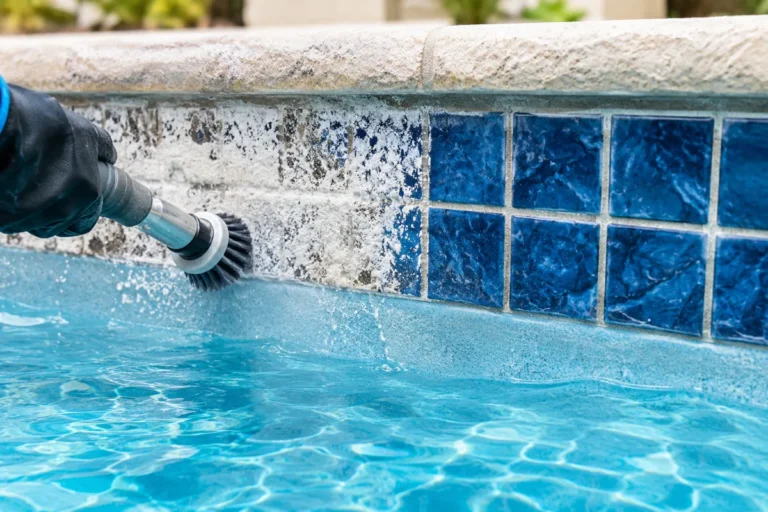
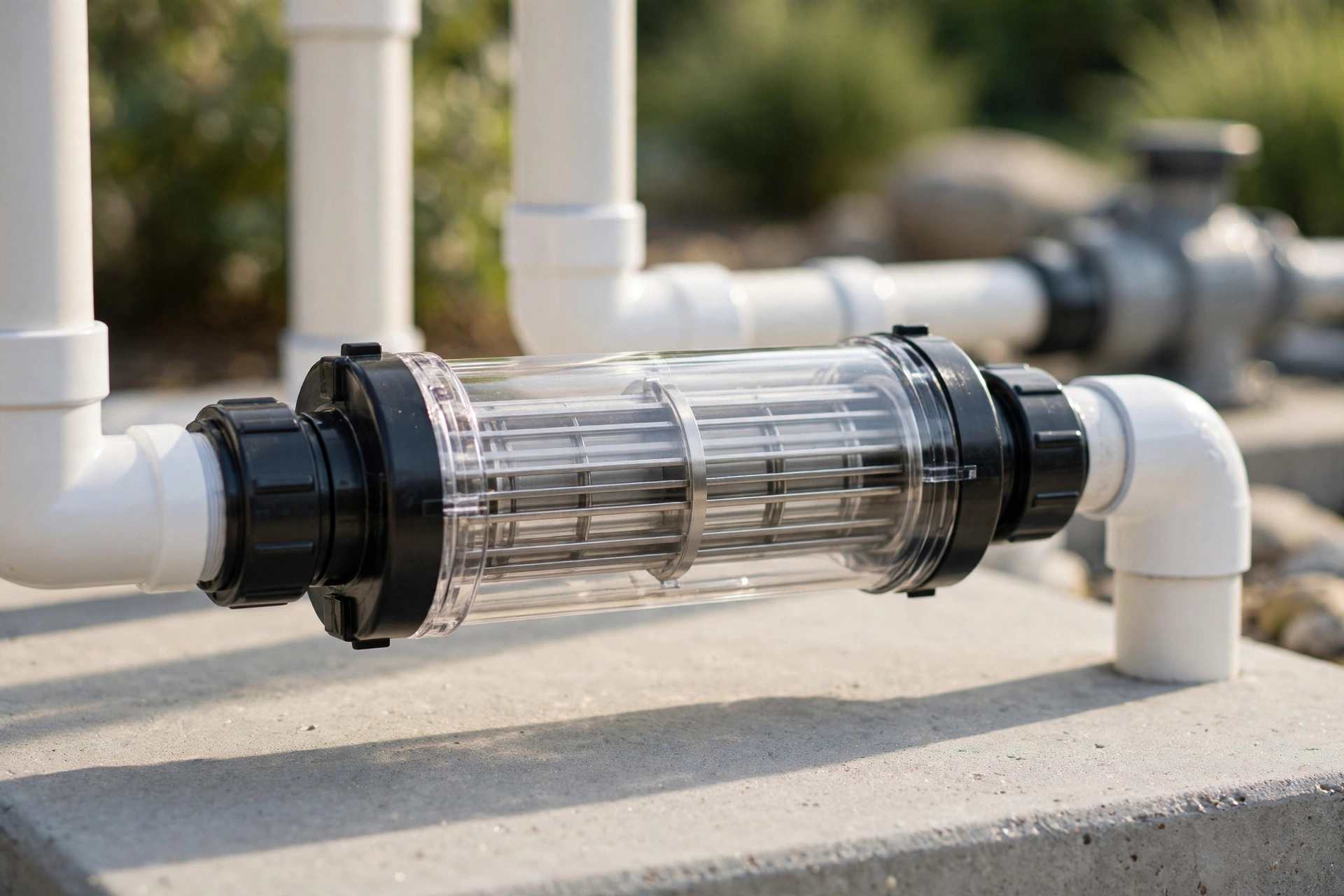
The salt cell uses electrolysis to convert dissolved salt in your pool water into chlorine, which then sanitizes the water automatically. It’s a convenient system, but the plates inside the cell are prone to scale buildup over time, especially in areas like New Braunfels where our water tends to run hard. That buildup reduces the cell’s efficiency and, if ignored, can shorten its lifespan significantly.
Signs Your Salt Cell Needs Attention
- Water looks cloudy or hazy despite normal chemical levels
- Low or inconsistent chlorine readings even though the system is running
- Visible white, chalky scale buildup on the cell plates
- The control panel displays a low salt or check cell warning
- Algae starting to form despite regular use of the system
How Often Should You Check the Cell?
As a general rule, inspect your salt cell every 4 to 6 weeks during swim season. Pull the cell out per your system’s manual and visually check for scale buildup on the plates. Light buildup can usually be cleaned with a mix of water and a small amount of muriatic acid, following your manufacturer’s guidelines closely, since too strong a solution can damage the plates.
Keeping Water Chemistry in the Right Range
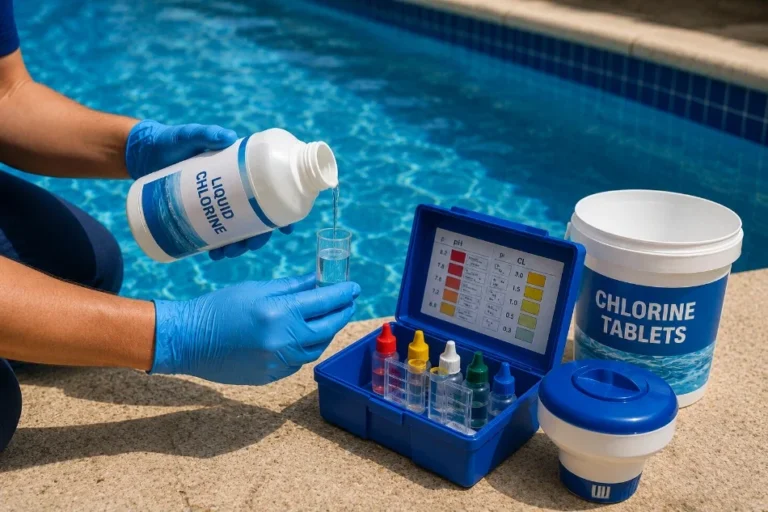
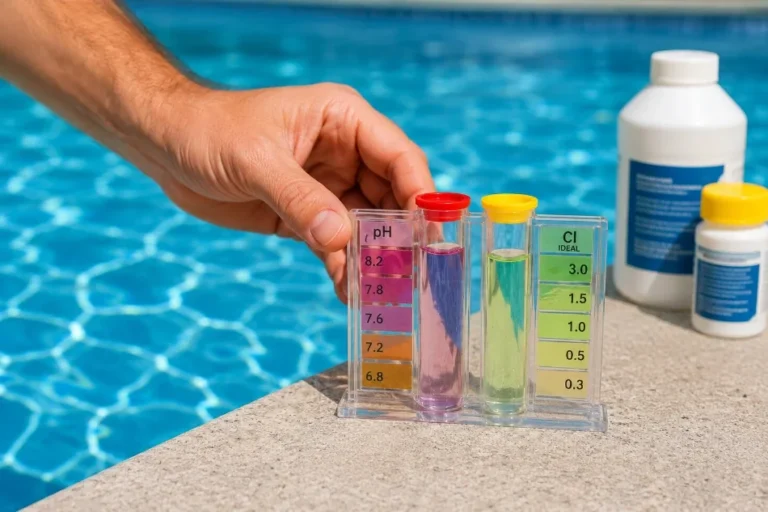
Salt cells work best when your water chemistry stays balanced. Salt levels typically need to sit between 2,700 and 3,400 ppm depending on your system, and pH should stay between 7.2 and 7.6. When pH drifts high, which is common with New Braunfels’ hard water, it speeds up scale formation on the cell. Regular testing and small adjustments go a long way toward protecting your investment. When a cell needs repair or replacement, see our pool equipment repair page.
When to Call in a Professional
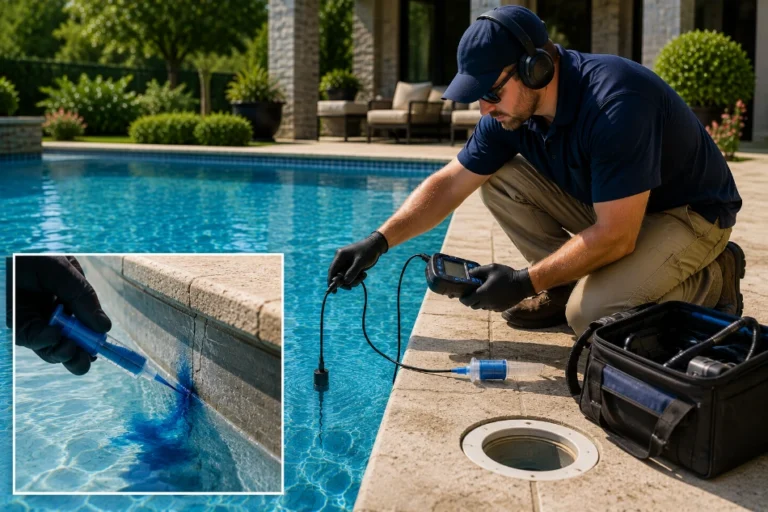
If you’re seeing consistent low chlorine output, heavy scale that won’t clean off, or error codes on your control panel that don’t resolve after cleaning, it’s time to have the system professionally inspected. Catching cell problems early can mean the difference between a simple cleaning and a full cell replacement. Our team services salt water pool systems throughout New Braunfels and can keep your setup running efficiently all season long.